

 Contactez-nous


Custom Training Polos Made for Performance & Team Identity
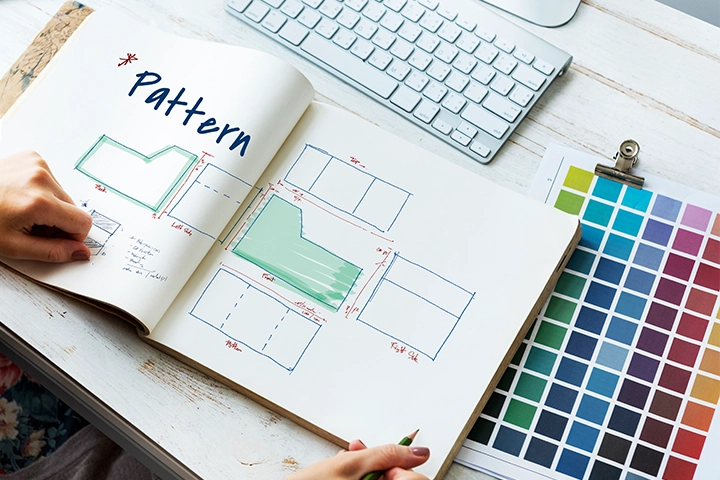
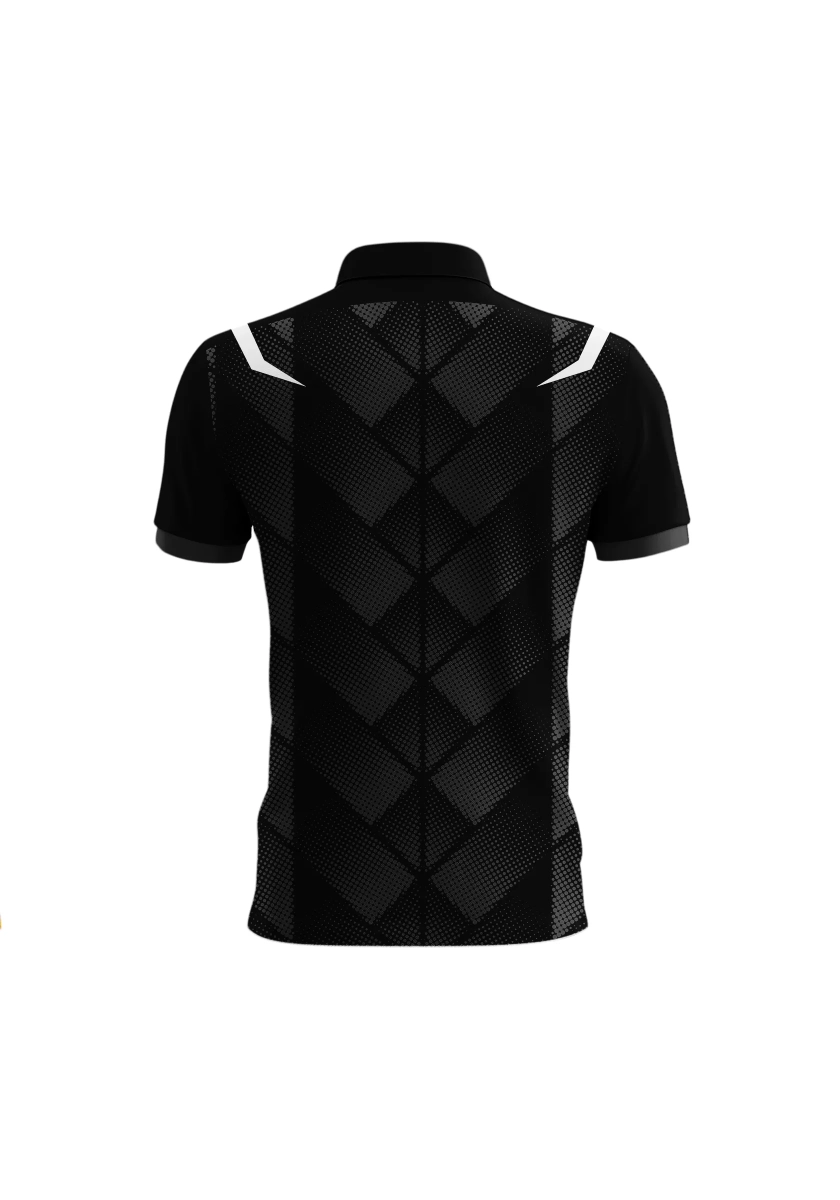
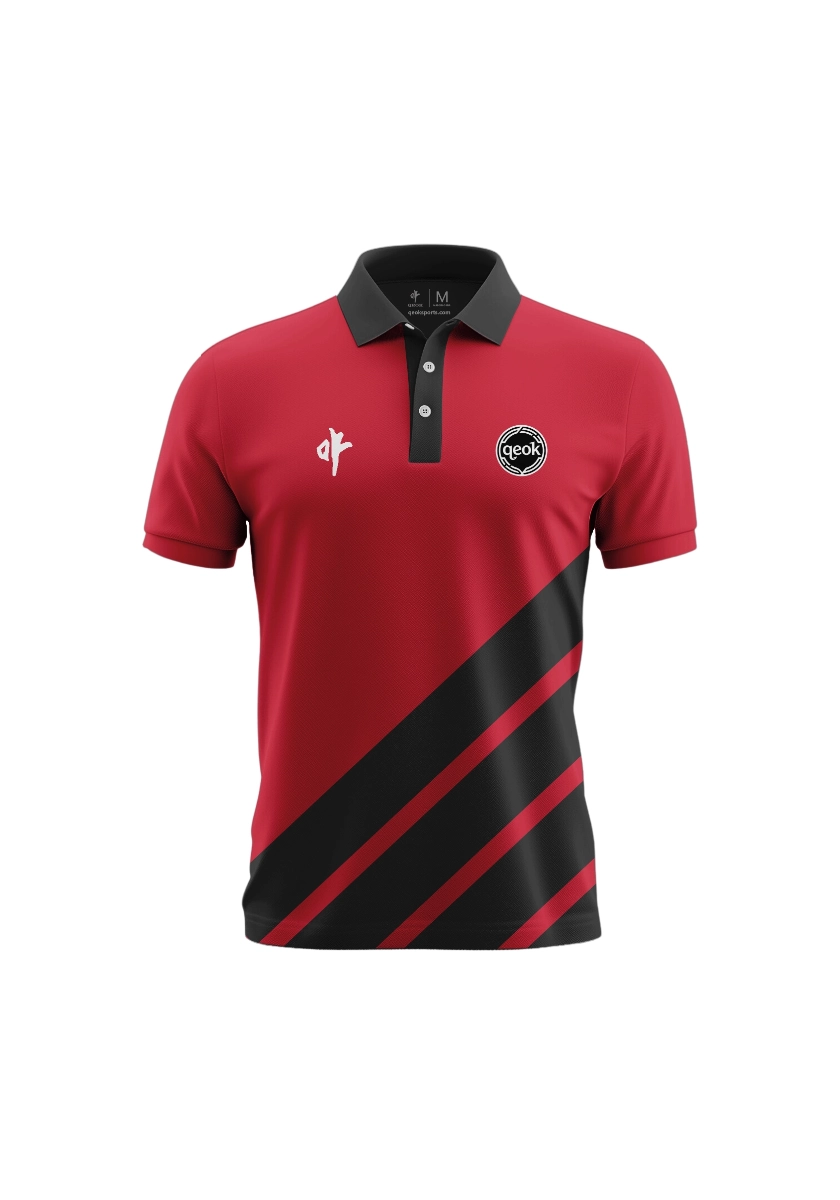
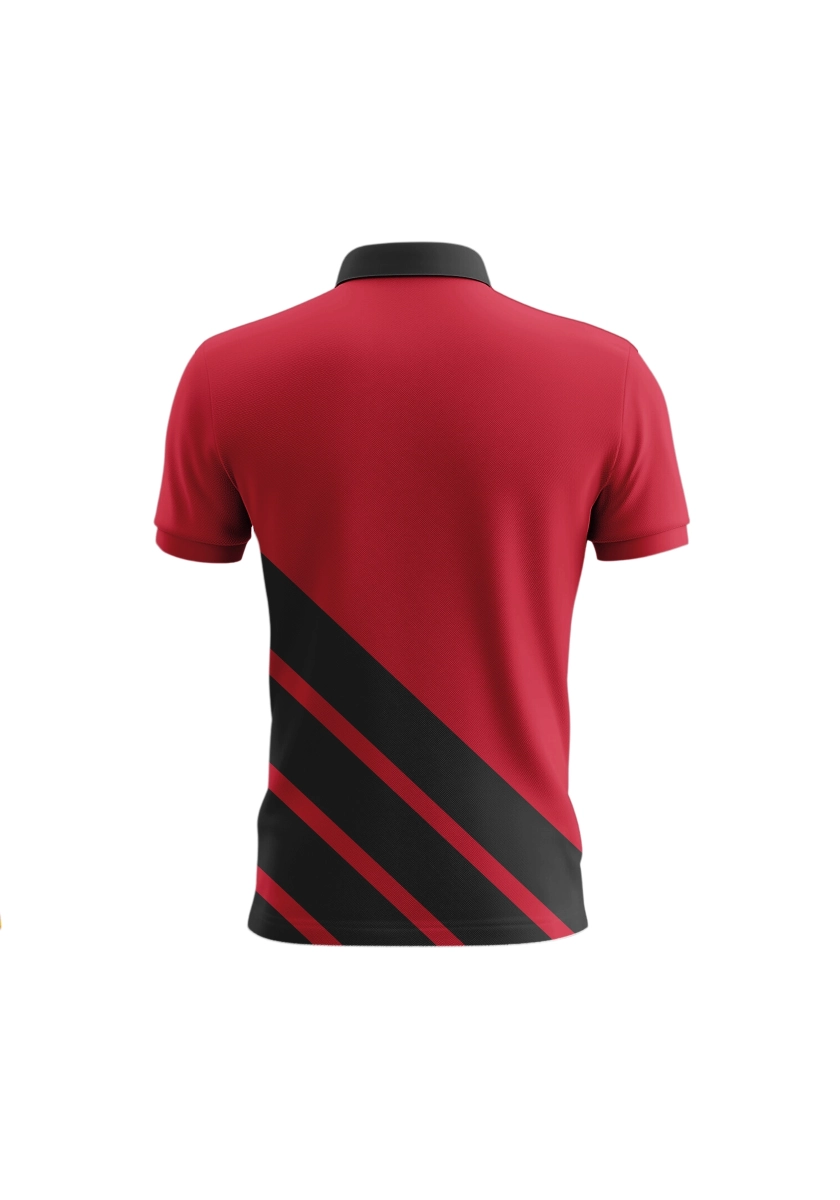
QEOK create Custom Training Polos for sports clubs, coaching teams, gyms, Académies, schools and active wear brands. Opt for performance polyester piqué, smooth interlock or breathable mesh, depending on training requirements and desired appearance. Make your collar shape, button placket, Manches, panel colors, Logos de l’équipe, Marques de sponsor, Labels, and fit your own. From reviewing artwork, choosing fabrics, approving samples, to bulk production – we help design polos that double as a professional team look and personal comfort for coaching, travelling and day in, day out training.



Looking for a Reliable Custom Training Polo Manufacturer?
A successful training polo project depends on:
-
Breathable performance fabric

-
Stable collar and placket construction
-
Comfortable shoulder movement
-
Moisture-management performance
-
Consistent logo and team branding
Whether you are developing polos for sports clubs, gyms, coaches, Académies, Écoles, Distributeurs, ou marques de vêtements de sport, the product should balance athletic functionality with a clean professional presentation.
Key Training Polo Specifications
- Composition du tissu, GSM, and knit construction
- Collar shape, placket length, and button details
- Body fit, sleeve shape, and shoulder mobility
- Mesh panel placement and ventilation requirements
- Logo application, label, et options de marque
- Size range and bulk order quantities
- Sample approval and production specifications
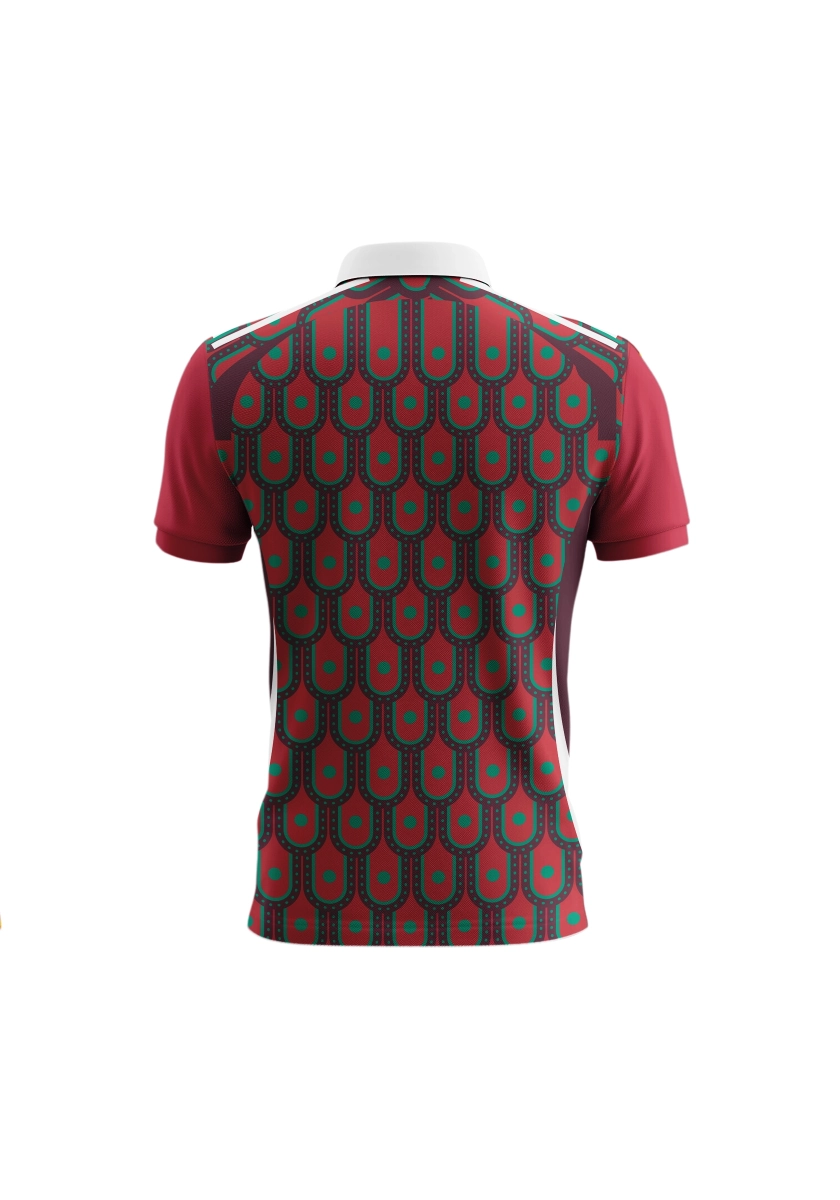
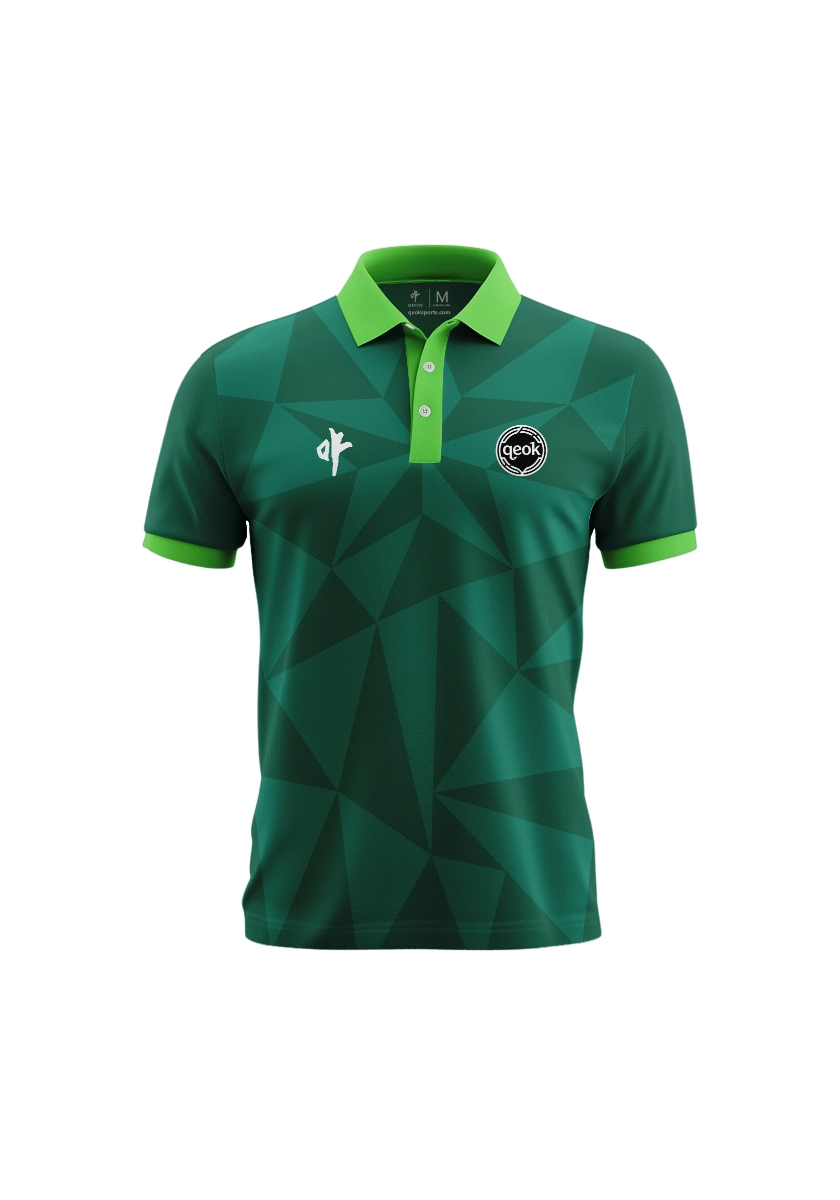
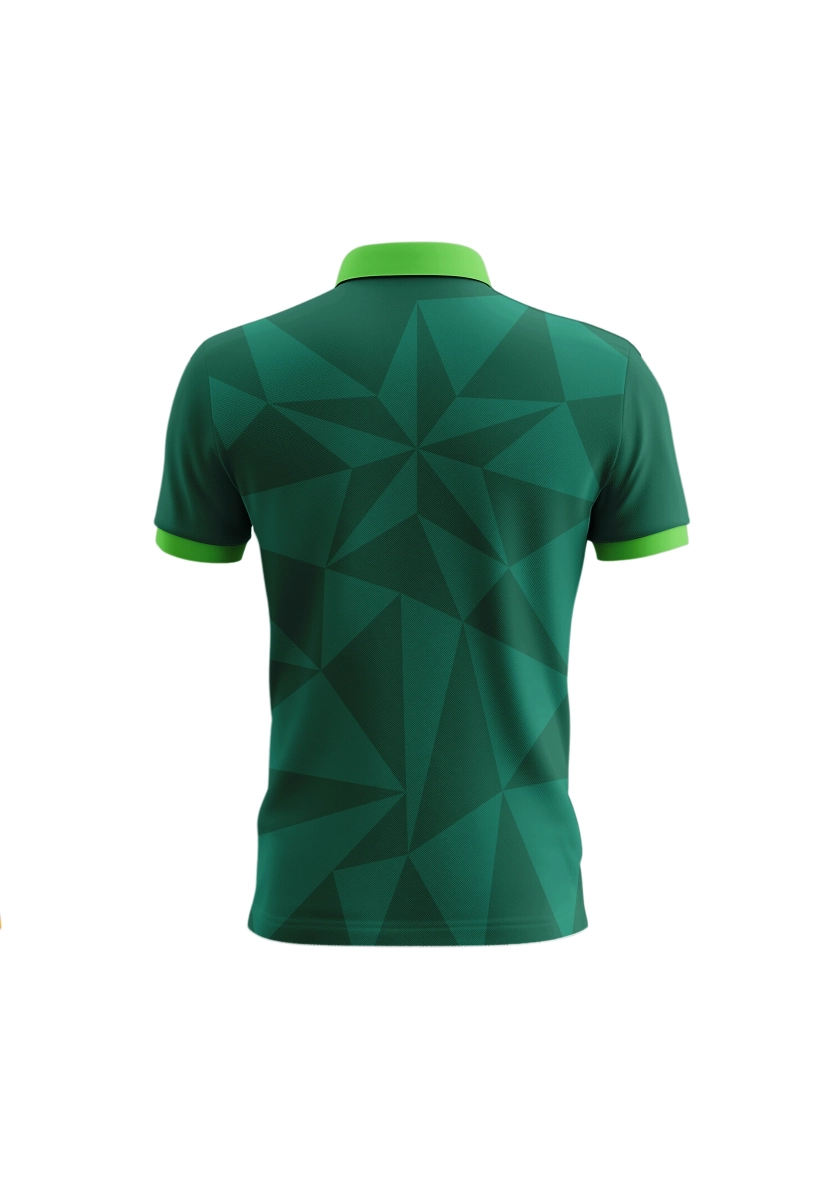
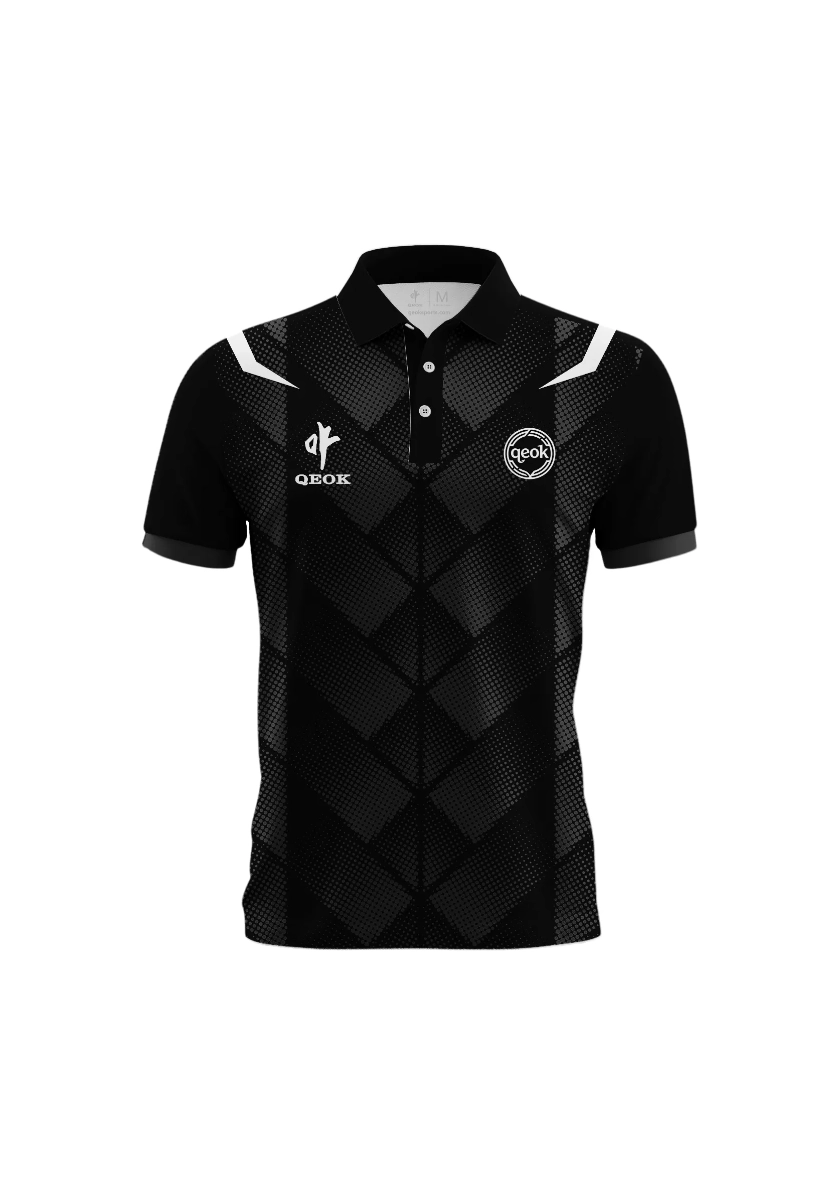


Common Challenges When Sourcing Custom Training Polos
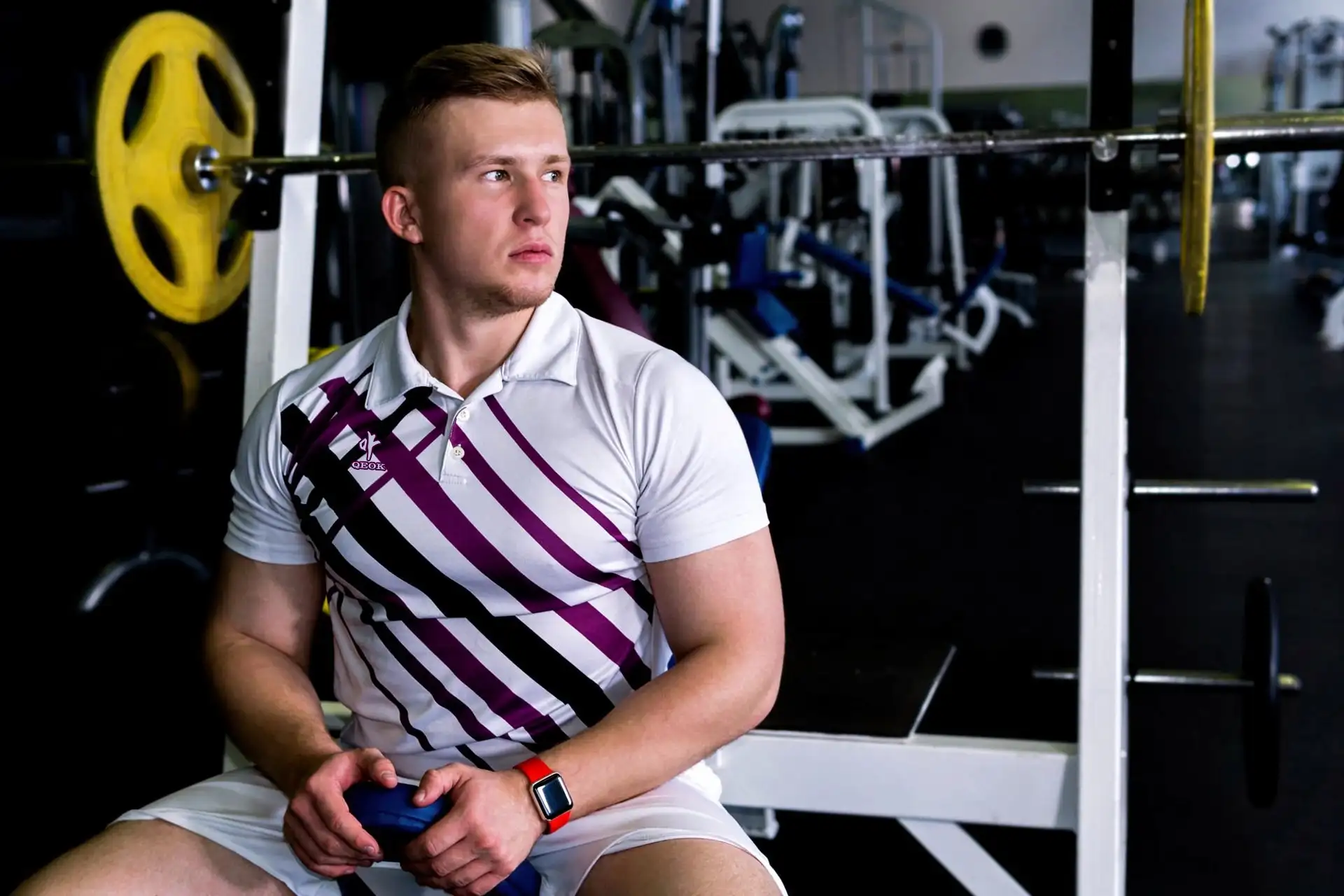
Performance polos combine athletic movement with structured collars and plackets, making fabric stability, Respirabilité, Ajusté, Image de marque, and repeated-wash performance particularly important during product development.

The Collar Loses Shape After Washing
The collar is one of the most visible parts of a training polo and strongly affects its overall appearance.
Les problèmes courants incluent:
- • Collar curling
- • Uneven collar points
- • Poor shape recovery
- • Collar stretching
- • Collar and body fabric mismatch

Logo Placement Looks Uneven on Performance Fabrics
Training polos may use textured piqué, smooth interlock, or stretch mesh fabrics. Different surface structures can affect how embroidery and printed graphics appear on the finished garment.
Les problèmes courants incluent:
- • Embroidery pulling or puckering lightweight fabric
- • Fine logo details losing definition
- • Transfer graphics appearing uneven on stretch panels
- • Branding positioned too close to seams or plackets
- • Inconsistent logo size across different garment sizes

The Placket Looks Wavy or Uneven
Performance fabrics can be lightweight or stretchy, while a polo placket needs enough stability to remain flat.
Poor construction may result in:
- • Wavy plackets
- • Uneven button spacing
- • Fabric puckering
- • Front-panel distortion
- • Poor logo alignment

The Polo Feels Too Hot During Training
A structured polo should still provide sufficient airflow and moisture management during active use.
Une mauvaise sélection de tissu peut provoquer:
- • Heat buildup
- • Sweat retention
- • Séchage lent
- • Heavy garment feel
- • Reduced comfort outdoors
Confirmation des tissus, Plaquettes, pinstripes, Œuvres d’art, Détails du joueur, and sizing before production helps create more consistent uniforms across first orders, replacements, and future seasons.
Choosing the Right Fabric for Custom Training Polos
Training polo fabrics should balance moisture management, Écoulement d’air, Structure du vêtement, collar stability, Mouvement, and branding compatibility while maintaining a cleaner appearance than standard training T-shirts.
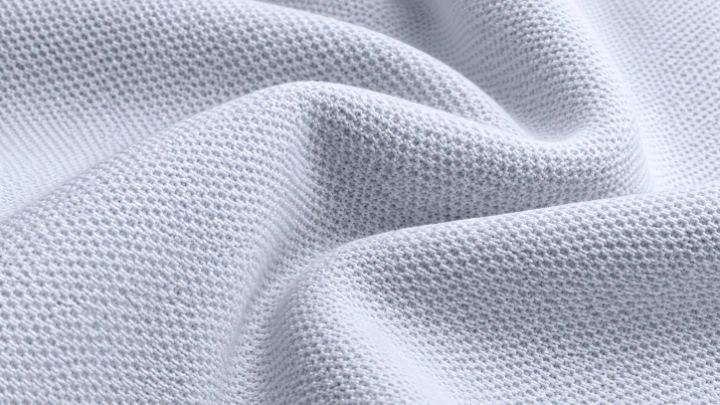
Performance Polyester Piqué
A textured performance polyester offering the classic polo appearance while maintaining quick-drying and lightweight athletic characteristics.
-
 Meilleur pour:Team training polos, coaches, club staff, Académies, gyms, sideline apparel, et organisations sportives.
-
 Faits saillants:• Classic piqué texture
• Séchage rapide
• Good garment structure
• Breathable performance
• Suitable for custom branding
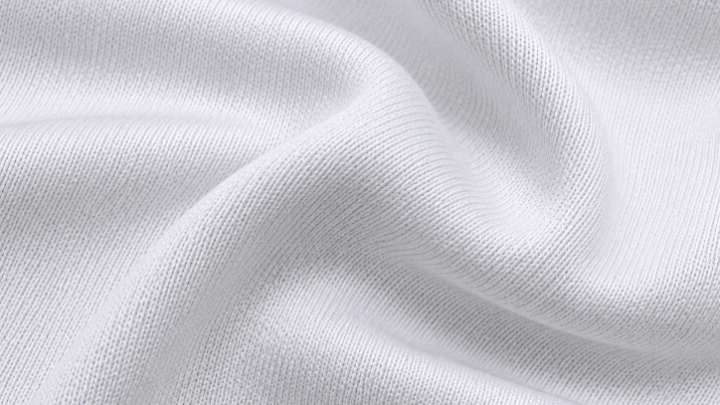
Polyester Interlock
A smooth double-knit polyester offering a cleaner surface and softer athletic appearance than traditional textured piqué.
-
Meilleur pour:Sublimated training polos, club uniforms, sports staff apparel, and modern performance collections.
-
Faits saillants:• Surface lisse
• Construction stable
• Séchage rapide
• Good graphic reproduction
• Sublimation compatible
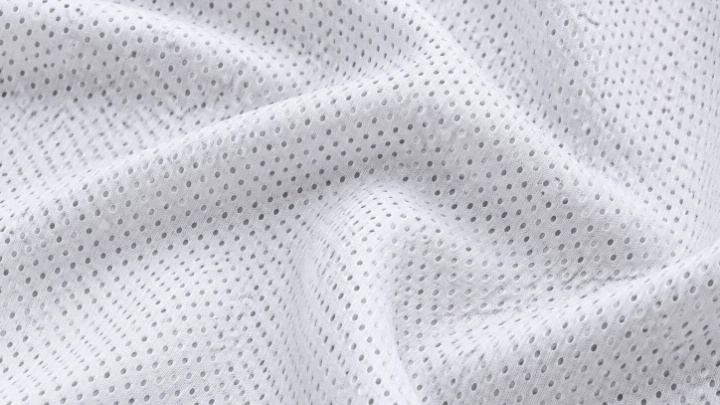
Polyester à maillage à points épinglés
A lightweight polyester mesh with fine ventilation openings that provides airflow while maintaining a relatively clean polo appearance.
-
Meilleur pour:Hot-weather training, outdoor coaching, tournament staff, summer programs, and highly breathable performance polos.
-
Faits saillants:• Débit d’air élevé
• Construction légère
• Libération d’humidité
• Séchage rapide
• Clean athletic appearance
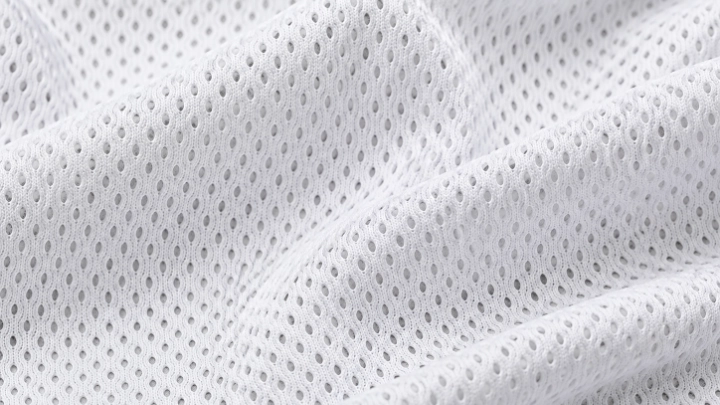
Polyester en maille à œil d’oiseau
A textured polyester knit with small openings that improve airflow and moisture movement during active team use.
-
Meilleur pour:Sports clubs, coaching teams, outdoor training, warm-weather uniforms, and breathable performance polo programs.
-
Faits saillants:• Texture respirante
• Séchage rapide
• Sensation légère
• Athletic appearance
• Gestion de l’humidité
Custom Printing & Branding for Training Polos
Training polos combine performance graphics, professional logos, Étiquettes de vêtements, dimensional branding, et emballage, so customization should support both active use and polished team presentation.
- Impression par sublimation par teinture
- Impression par transfert thermique
- Étiquette tissée
- TPU / Silicone Logo
- Broderie
-
Impression par sublimation par teinture
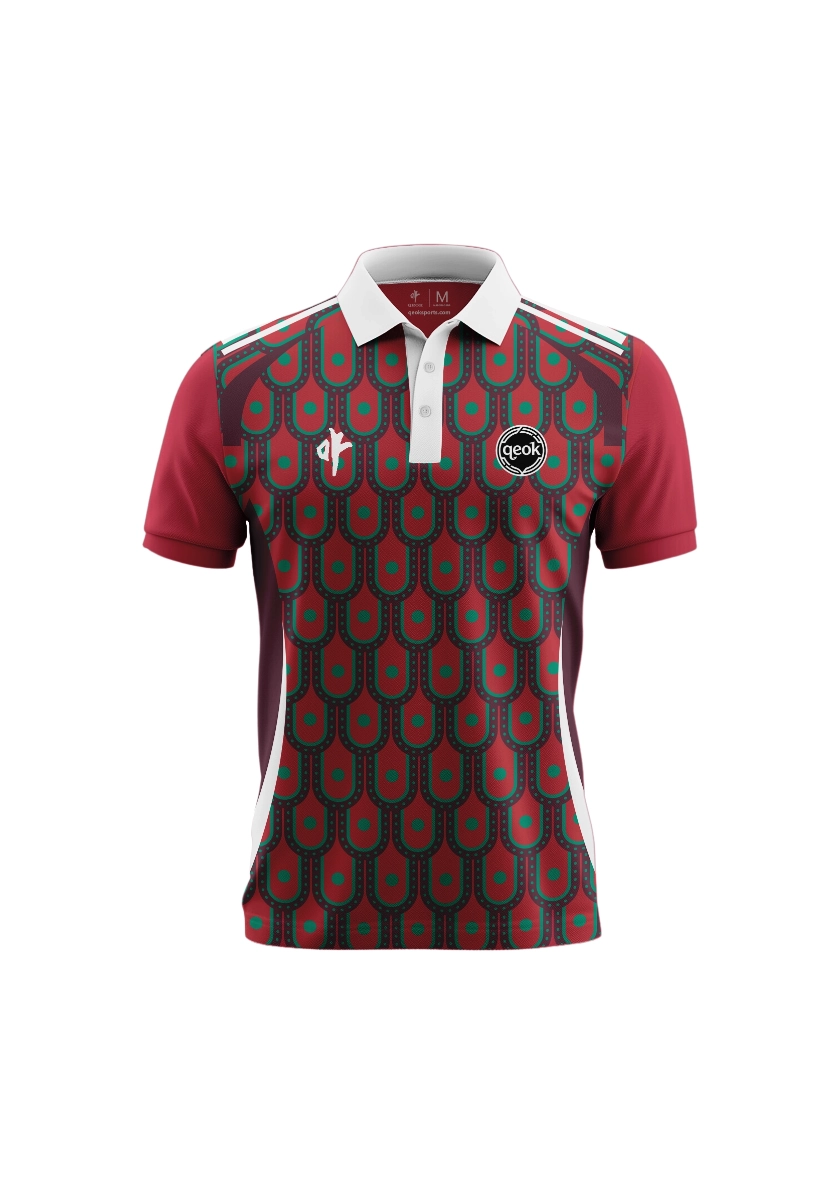
Dye-sublimation is suitable for polyester training polos requiring full-color graphics, Gradients, Motifs, Couleurs du club, sponsor branding, and coordinated team designs.
Parce que l’œuvre devient partie intégrante du tissu polyester, complex graphics can be created without adding a heavy surface layer.-
Create custom full-color polo graphics
-
Integrate team colors and patterns
-
Coordinate sponsor and club branding
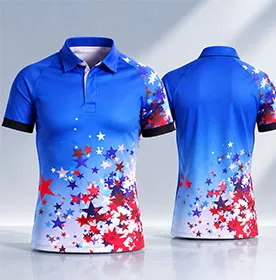
Full-body graphics allow performance polos to carry detailed patterns, Gradients, and team colors while preserving the original fabric feel.
Sublimation Totale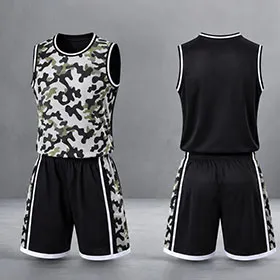
Individual fabric panels can be printed before construction for controlled artwork around sleeves, bodies, colliers, and side sections.
Sublimation de panneau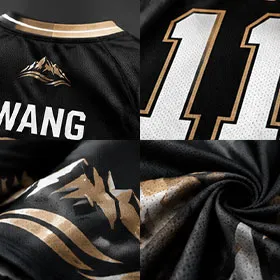
Noms, Détails du club, Graphiques du sponsor, and approved individual information can be integrated into specific training polos.
Sublimation personnalisée

-
-
Impression par transfert thermique
Le transfert de chaleur offre une personnalisation flexible des logos d’équipe, Graphiques du sponsor, event branding, et certains détails de vêtements sélectionnés.
-
Add team or brand logos
-
Position sponsor marks precisely
-
Customize selected garment areas
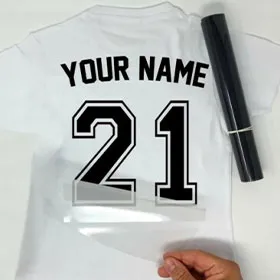
Club, gym, Académie, or company logos can be positioned on suitable polo areas.
Transfert du logo de l’équipe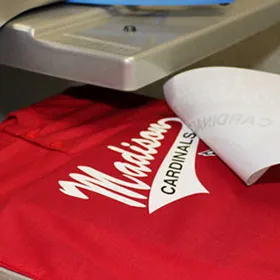
Sponsor and partner marks can be added according to the approved artwork layout.
Transfert du logo du sponsor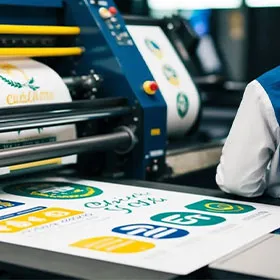
Sleeve, Poitrine, or back details can be applied where required.
Transfert graphique personnalisé
-
-
Étiquette tissée
Custom woven labels create a complete private-label identity for training polos used by clubs, Équipes, gyms, Distributeurs, et les marques de vêtements de sport.
-
Identité de marque
-
Informations sur la taille
-
Présentation à marque privée
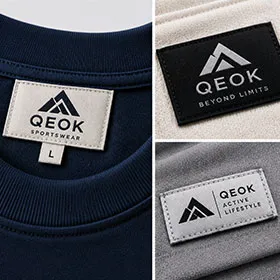
A woven brand label can be positioned inside the neckline or another approved garment location.
Étiquette tissée principale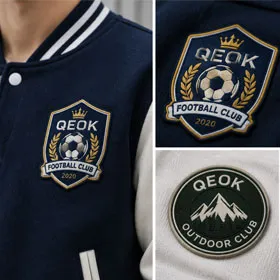
Garment size information can be produced separately or incorporated into the label system.
Étiquette de taille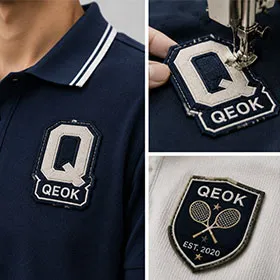
Brand names and logo details can remain consistent across complete training and teamwear collections.
Étiquette de marque personnalisée
-
-
TPU / Silicone Logo
TPU and silicone logos provide a modern dimensional branding option for performance training polos.
-
Branding dimensionnel relevé
-
Apparence technique
-
Formes de logos personnalisées
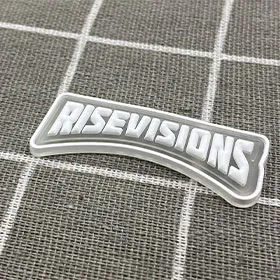
Lightweight TPU creates a clean structured finish for compact team or manufacturer branding.
TPU Logo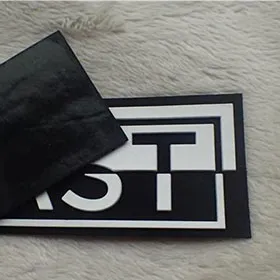
Silicone applications provide a soft raised surface with visible dimensional detail.
Silicone Logo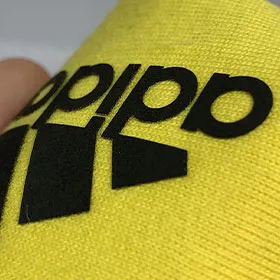
Custom symbols, Lettrage, and logo shapes can be developed according to brand requirements.
Logo moulé personnalisé
-
-
Broderie
Embroidery is particularly suitable for training polos because the structured collar-and-placket silhouette pairs naturally with compact stitched chest branding.
-
Stitched club logos
-
Premium dimensional detail
-
Apparition en équipe professionnelle
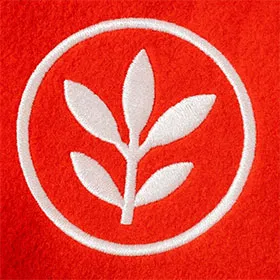
Compact left-chest logos provide a classic professional polo appearance.
Broderie de logo de poitrine
Club, Académie, École, or organization marks can be stitched onto suitable fabric areas.
Broderie du blason du club
The same embroidery can continue across jackets, sweats à capuchon, Sélections, Échauffements, and other staff apparel.
Coordinated Teamwear Embroidery
-
Training polos range from lightweight coaching shirts to premium stretch and fully sublimated styles, allowing teams and brands to balance athletic performance with a professional appearance.
-
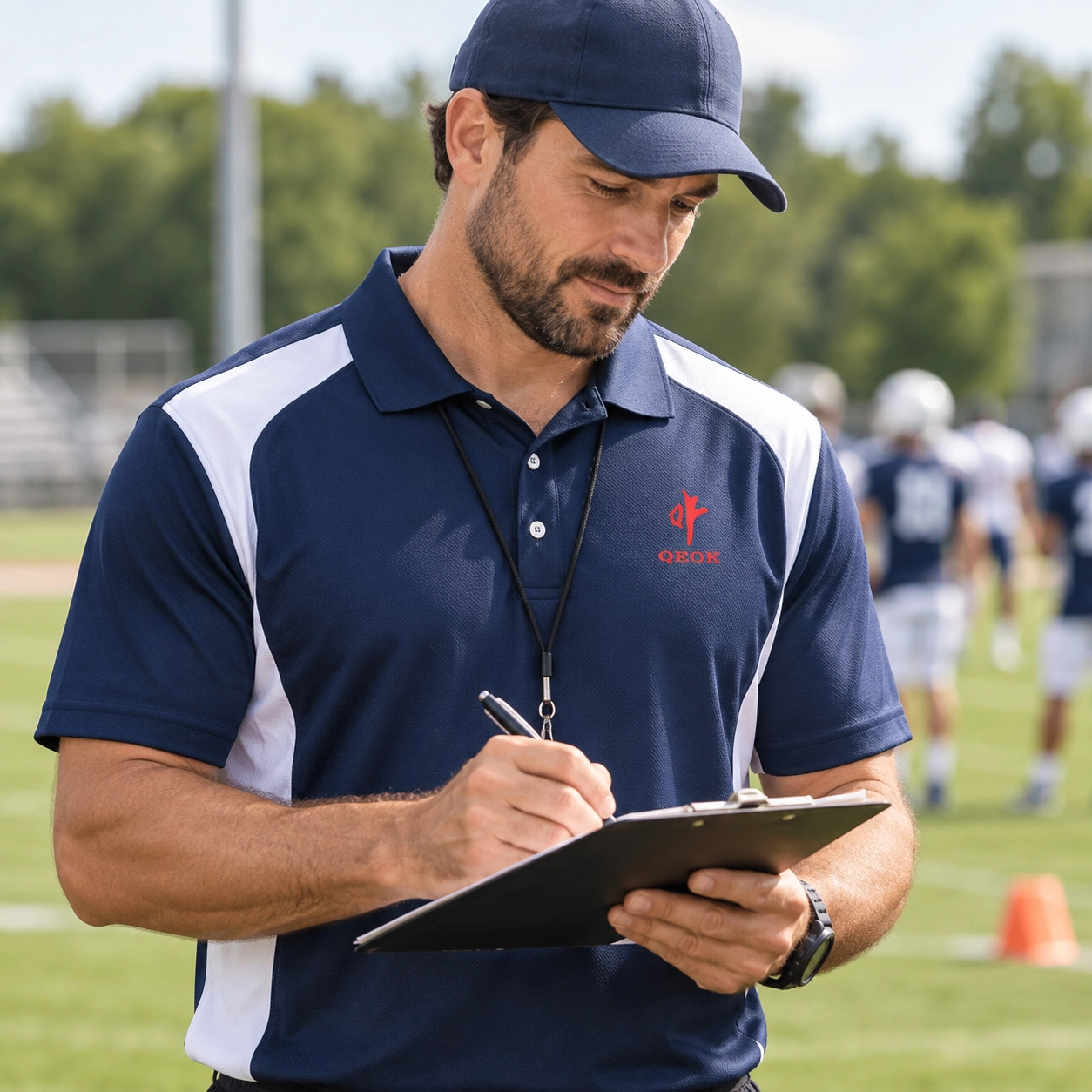
Performance Piqué Polo
A classic sports polo combining professional appearance with lightweight moisture-management performance.
-
Construction:
• Performance polyester piqué body
• Textured knitted surface
• Structured polo collar
• Button placket -
Faits saillants:
• Classic piqué appearance
• Breathable fabric construction
• Lightweight wearing comfort
• Professional team presentation
Obtenez un devis gratuit -
-
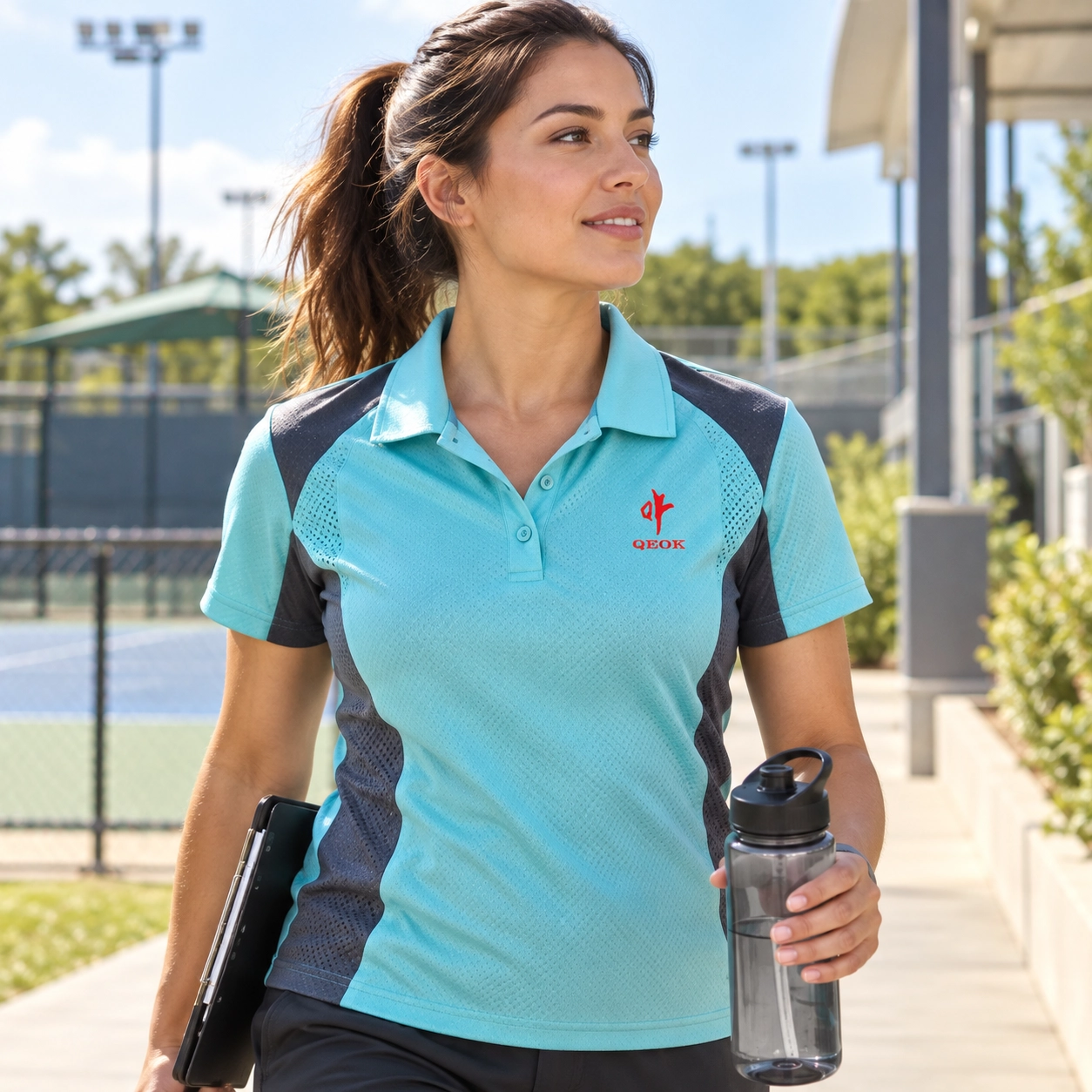
Breathable Mesh Polo
A ventilation-focused polo designed for warm-weather training and outdoor staff use.
-
Construction:
• Pin-dot or bird-eye mesh
• Lightweight body
• Performance collar
• Short sleeves -
Faits saillants:
• Increased airflow
• Sensation légère
• Fast moisture release
• Suitable for hot conditions
Obtenez un devis gratuit -
-
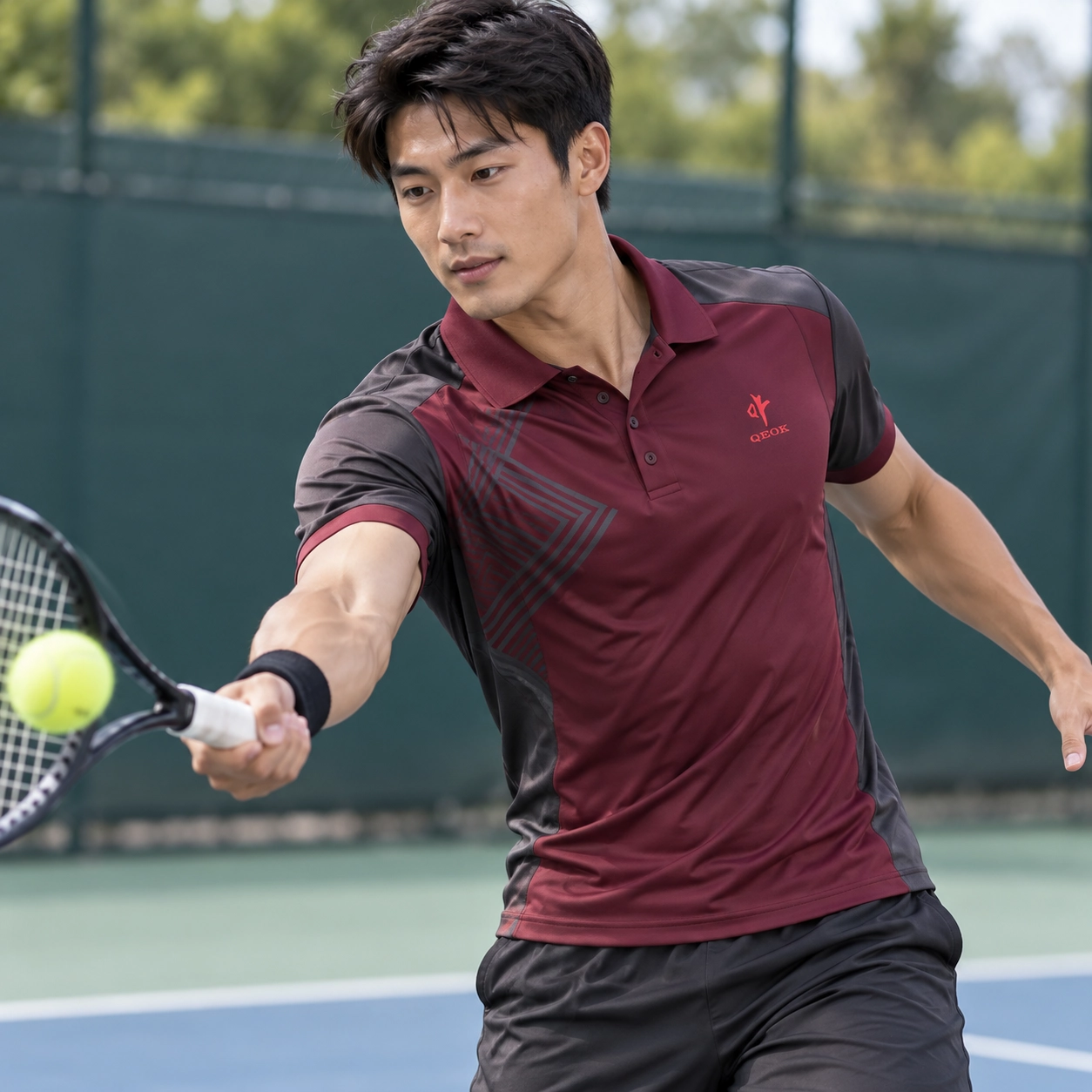
Stretch Performance Polo
A flexible polo developed for users requiring greater movement while maintaining a clean professional silhouette.
-
Construction:
• Polyester-spandex piqué
• Stretch body
• Structured collar
• Ajustement athlétique -
Faits saillants:
• Added mobility
• Strong recovery
• Premium fit
• Suitable for active coaching
Obtenez un devis gratuit -
Why Choose QEOK for Custom Training Polos?
-
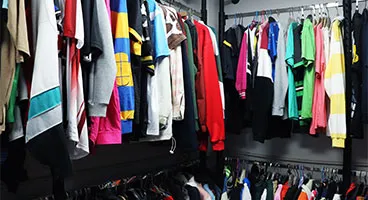

Polo-Specific Construction Development
Training polos require more than a standard T-shirt pattern. QEOK develops collar shapes, placket lengths, button spacing, sleeve openings, and body proportions according to the selected fabric and intended use.
-
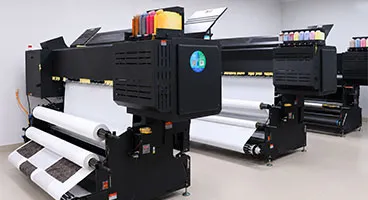

Performance Fabric Selection
Choose performance polyester piqué, smooth interlock, maillage épinglé à points, or bird-eye mesh according to breathability, Structure du vêtement, training conditions, et exigences de marque. Fabric weight and panel placement are reviewed during product development.
-
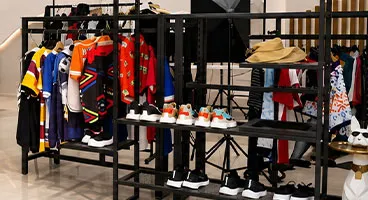

Flexible Branding & Decoration
From full sublimation and heat transfer to woven labels, Logos TPU ou silicone, and embroidery, decoration options are selected according to fabric structure, artwork complexity, and the desired appearance.
-
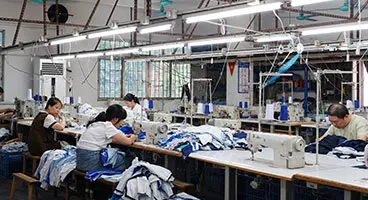

Exemple d’examen et contrôle de production
Avant la production en vrac, samples can be reviewed for collar shape, placket stability, shoulder movement, Placement du logo, Mesures, et une qualité générale de fabrication. Approved specifications guide production and finished-garment inspection.
From Training Polo Concept to Finished Apparel

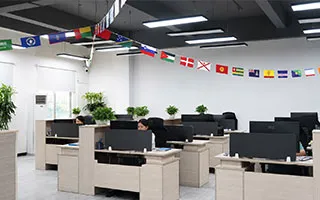
Share your polo style, intended use, quantités, Tailles, Couleurs, Logos, Références, et exigences de marque. Confirm polo application Review style references Define size range Confirm quantities Collect artwork
Nous recommandons des tissus adaptés, GSM, collar, placket, Ajusté, Couleurs, Graphismes, Labels, et options de marque. Recommend fabrics Define collar style Select placket construction Prepare artwork Confirm branding
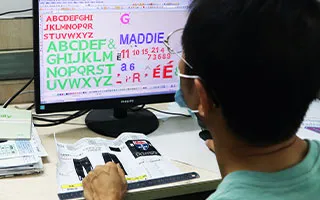
Artwork & Specification Confirmation Fabric, Taille, collar, placket, Boutons, Œuvres d’art, Labels, Finitions, and packaging specifications are reviewed before sampling. Review polo layout Confirm sizing Check logo placement Verify construction Approve customization
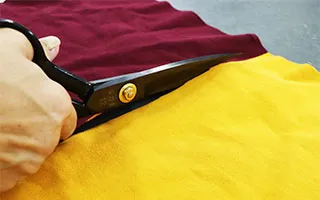
Lorsque nécessaire, un échantillon est produit pour examiner le tissu, Ajusté, collar shape, placket stability, Graphismes, Image de marque, et le savoir-faire. Check polo fit Review fabric Inspect collar Confirm placket Approve branding
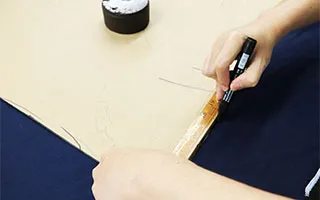
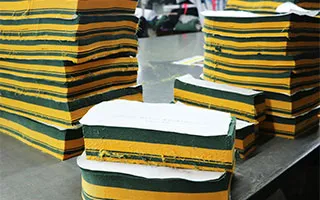
Après approbation, manufacturing begins according to the confirmed training polo specifications. Prepare materials Print and customize Cut garment panels Sew collars and plackets Complete finishing
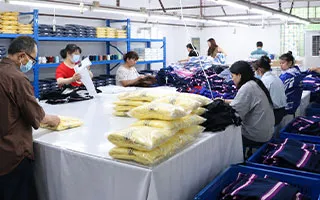
Finished training polos are checked against approved product requirements before packing. Verify measurements Inspect collars Check plackets Confirm branding Review finished garments
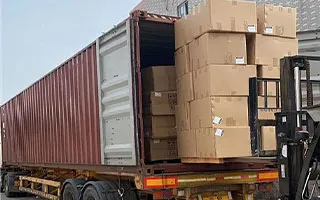
Approved training polos are packed and shipped according to the final order and delivery requirements. Vêtements de sac Vérifier les quantités Préparez les cartons Coordonner l’expédition Support delivery

Key Considerations for Custom Training Polos
Avant la production, training polos should be reviewed for collar stability, Performance du tissu, active fit, and branding compatibility to preserve both athletic comfort and professional appearance.
-
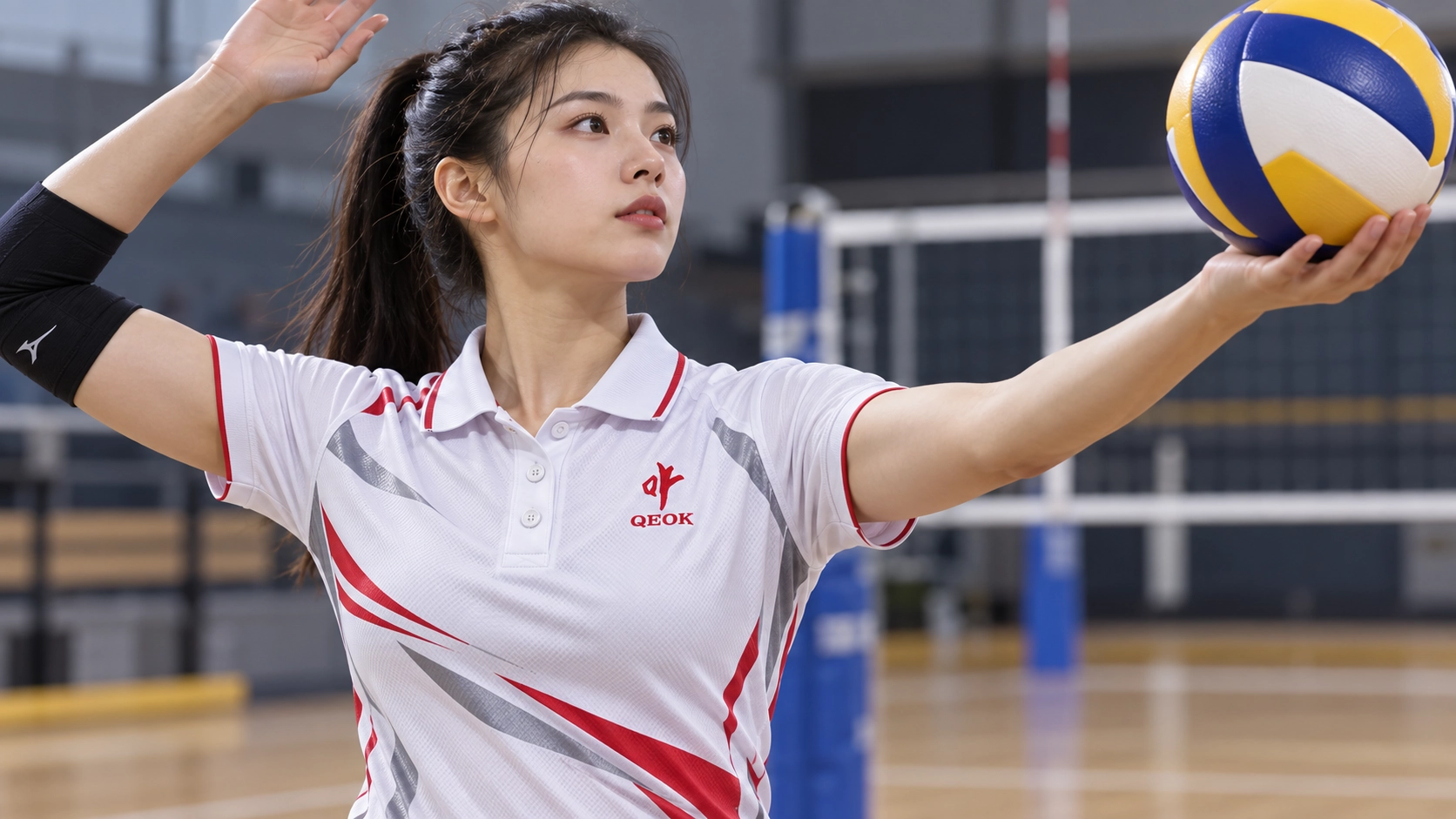 1
Collar & Placket Stability
The collar and placket define the overall appearance of a training polo.
Confirmez:
- Structure du col
- Collar width
- Placket length
- Button quantity
- Placket reinforcement
- Post-wash shape
The body fabric, collar, and placket should be evaluated as one garment system.
-
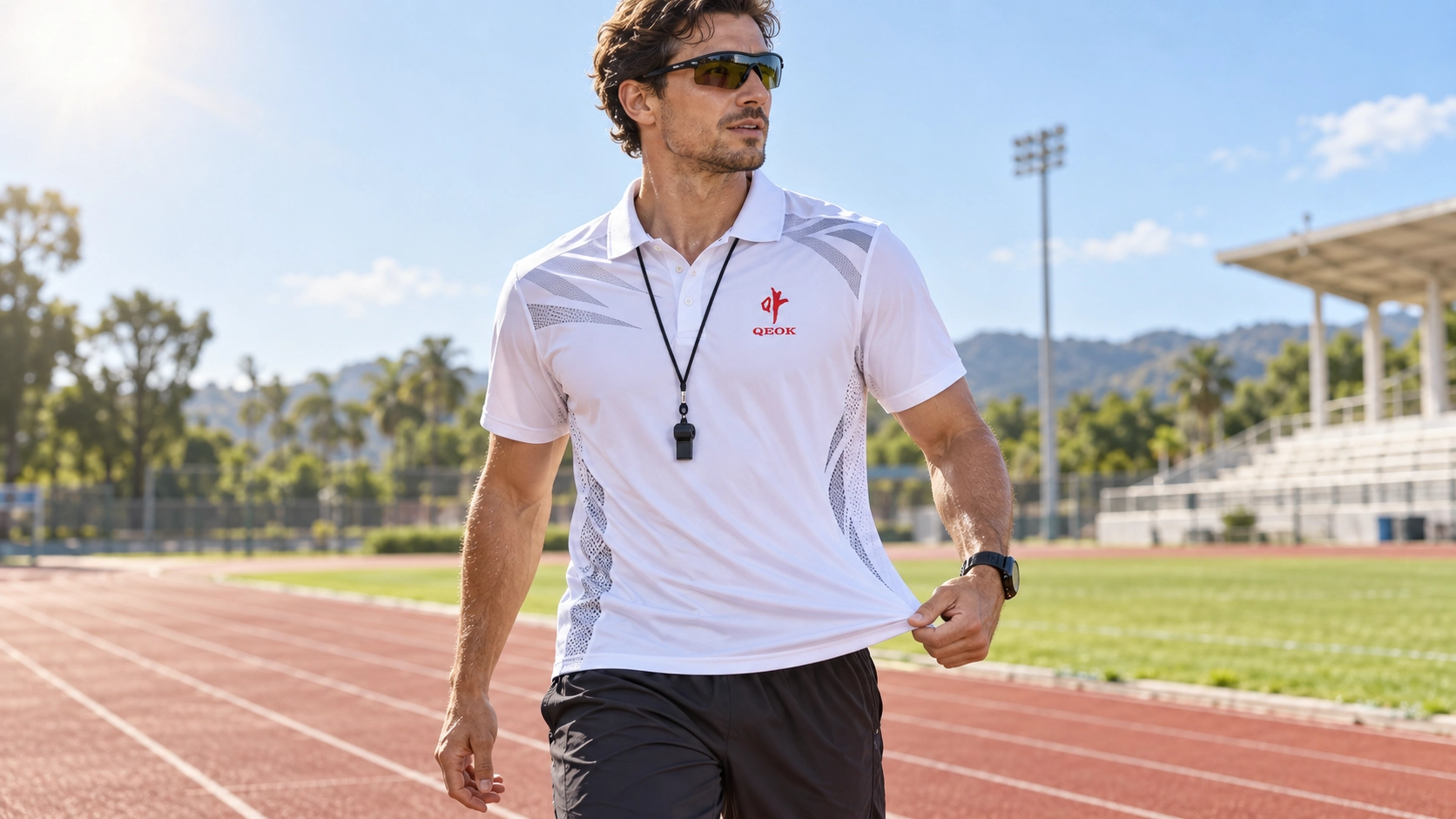 2
Fabric Weight & Training Environment
Fabric selection should match the expected activity level, temperature, and required garment structure.
Confirmez:
- Construction en tissu
- GSM
- Respirabilité
- Gestion de l’humidité
- Étirer
- Performance de séchage
Lightweight polyester works well for active use, while more structured piqué can provide a more professional staff appearance.
-
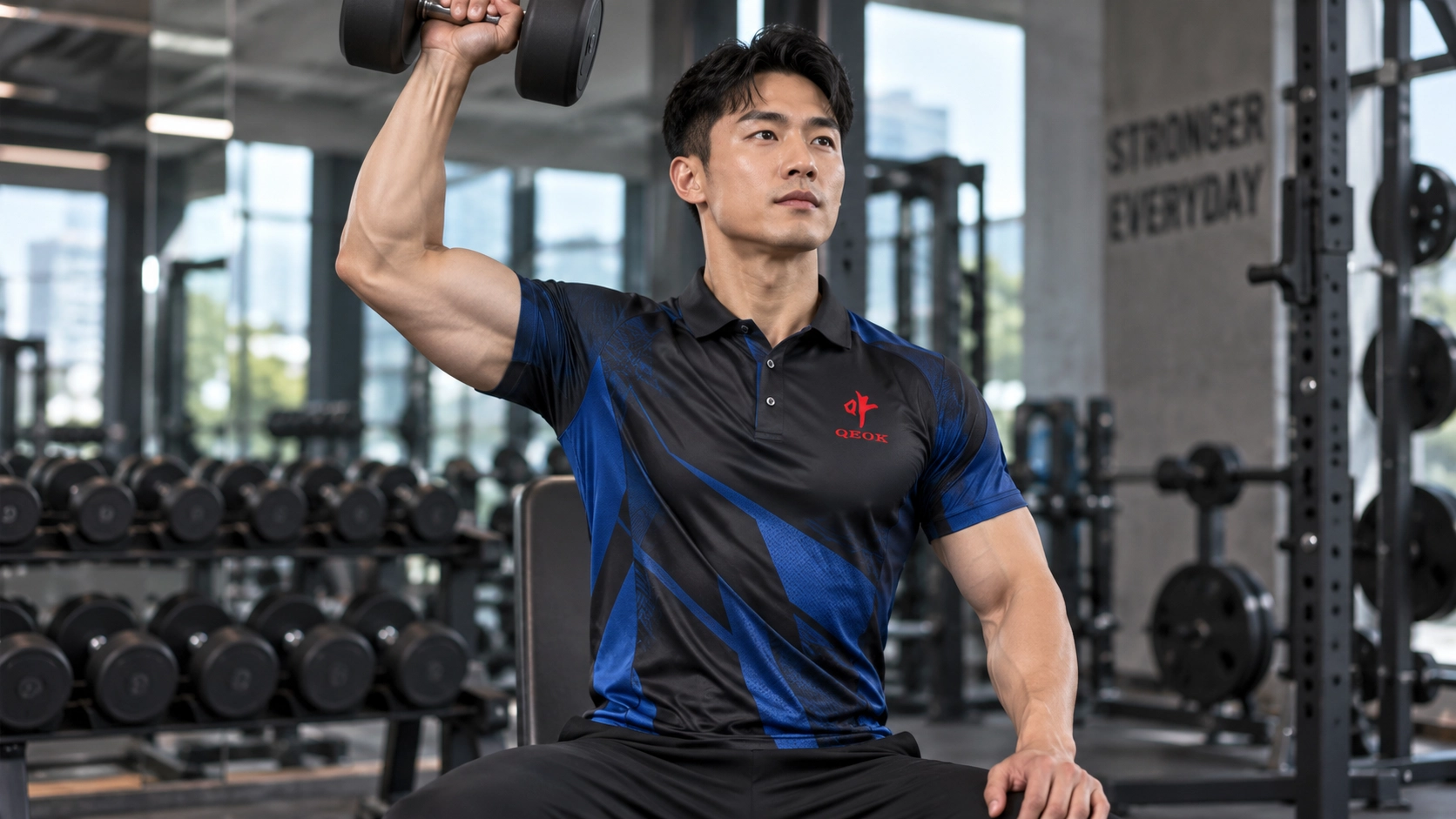 3
Fit & Shoulder Movement
Training polos should remain clean-looking without restricting normal coaching, Formation, or travel movement.
Confirmez:
- Largeur des épaules
- Forme du trou d’emmanchure
- Sleeve opening
- Chest fit
- Polo length
- Stretch requirement
Samples should be evaluated both standing and during active movement.
Confirmation du tissu, collar, placket, Ajusté, Image de marque, Labels, and packaging before production helps maintain a professional appearance and consistent performance across repeated team orders.
Questions fréquemment posées
Find key information about polo fabrics, GSM, colliers, Plaquettes, Ajusté, Image de marque, Échantillonnage, Production, Emballage, et le support des vêtements de formation OEM et ODM de QEOK.
-
1.What can I customize on training polos?

Vous pouvez personnaliser les couleurs, Motifs, colliers, Plaquettes, Boutons, Manches, Tissus, Logos, Labels, Finitions, Marque TPU ou silicone, Broderie, Taille, et emballage.
-
2.What fabrics are commonly used for training polos?
Common options include performance polyester piqué, Interverrouillage, maillage épinglé à points, Maillage à œil d’oiseau, polyester-spandex piqué, micro-piqué, cotton-polyester piqué, et polyester recyclé.
-
3.What GSM is commonly used for performance training polos?
Lightweight polyester performance polos commonly fall around 140–190 GSM, while more structured piqué or blended polos can use approximately 170–220 GSM.
-
4.Which fabric is suitable for hot-weather training polos?
Lightweight polyester pin-dot, bird-eye, and ventilated mesh constructions are strong options where airflow and quick drying are priorities.
-
5.Can mesh panels be added to a training polo?
Oui. Actual performance polos use combinations such as 180 GSM polyester PK bodies with lighter 160 GSM mesh side panels to improve ventilation.
Explorer d’autres Vêtements d’entraînement
Nous fabriquons
Ready to Create Your Custom Training Polos?
Share your training application, Tissus préférés, Couleurs, Logos, quantités, Taille, et des références avec QEOK pour le support du développement produit à la fabrication, Inspection, et la livraison.